

A response from Robbie Merritt of TPWD and Gary Packan from City of Denton are on the agenda today. I know, slightly better than watching paint dry.

 Causes
Add the Colorado River to the list of environmental concerns on the Texas fly fishing list of concerns. A new fly tying video drops tomorrow!
TPWD Fish Passage Federal Grant application for Elm Fork of Trinity misses again. Another year goes by with no end to the Great Greenbelt Debacle in sight.
There has been no progress since I walked away from this Great Trinity River Greenbelt Debacle in 2022, and there was no progress by anyone else before that.

City of Denton’s Parks and Recreation Department was recently awarded a $10,971,904 grant from Texas Department of Transportation


A response from Robbie Merritt of TPWD and Gary Packan from City of Denton are on the agenda today. I know, slightly better than watching paint dry.
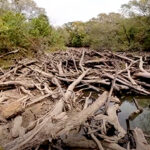
I say goodbye to a River the Trinity River stretch from Ray Roberts to Lewisville Lake, as it is hopelessly caught in the bureaucratic swamp.

Denton Greenbelt Debacle at Highway 380 Park
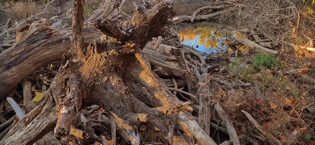
Denton Greenbelt Park Trinity River at 380 goes underwater again because of years of mismanagement, and renders TPWD improvements damaged and useless.
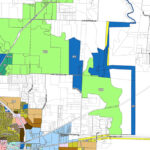
Denton Greenbelt Corridor Ownership
As readers realize, we are trying to focus, for the long term, on the Denton Greenbelt Debacle – a continuing log jam of the Trinity River waterway between Lake Ray Roberts and Lake Dallas, Texas. It is a learn-as-we-go process that has little hope of immediate progress, but with a little more clarity, perhaps we […]

Denton HWY380 Greenbelt Park Reopens
After six years, but who’s counting, the park portion of Denton Trinity Greenbelt at HWY 380 reopens.
The Denton Greenbelt Corridor is being worked on by TPWD, but bigger issues remain – waterway closed and no progress is made on that problem.
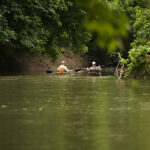
Water Rescue on the Denton Greenbelt Corridor
Multiple agencies called in for water rescue along log-jammed Denton Trinity River Greenbelt – between FM428 and HWY380.
HEB Redfish Video on This Morning
Easy watch this morning – H E B Our Texas Our Future: Redfish Revival looks at the Texas Gulf Coast redfish and what makes it so great.
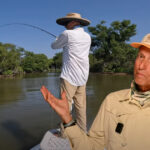
Watch the only Texas fly fishing report this time – border to border! We have highlights from the Lower Laguna Madre earlier this month AND carp running wild on Lake Ray Roberts Texas.
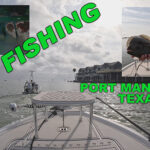
Do you want to know where the Texas Gulf Coast fly fishing scene never stops? Port Mansfield, Texas, is always on. Go soon, it is waking up!
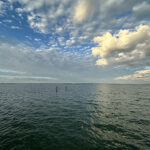
A new wonder world of water outside the door. So close and so diverse. The Lower Laguna Madre awaits.
Fall brings more changes than I can imagine. Getting ready for salt is priority one – the big move a week away. Green trout on Ray Roberts!
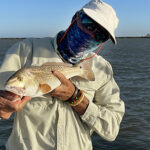
Caught up in the whirlwind – DFW to South Padre Island to Houston and back again today.
The Saturday Reruns are falling fast now. This one clocks in at 14-thousand views, and will actually get a follow-up this spring to let watchers know how all the tuning on the skiff turned out! Running Your Shallow Saltwater Skiff These are some of the many ways to set up your skiff for running Texas […]

Send and receive the latest information – on the Monday Morning Sidewalk, Texas’ original Monday fly fishing social gathering of ill repute.
Port O’Connor Texas Fly Fishing
This report is fresh off the Texas Gulf Coast’s Port O’Connor, and contains the latest on conditions last week in that fishing eco-system. It’s not pretty.
GET CONNECTED!
CLICK TO CONNECT